A field guide for writers
How a publishing contract actually works
You have been offered a book deal. Before you sign, it helps to know what the sentences are doing — to the money, the rights, and the next ten years of your name.
A free guide to publishing contracts: author royalties, book advances, subsidiary rights, literary agents, and the clauses in recent UK and US book deals.
by Stewart Ferris
From both sides of the desk
Written by someone who has signed them, and issued them
Stewart Ferris co-founded Summersdale Publishers and is the author of more than fifty books. This guide is not a solicitor’s opinion and not a pep talk. It is a reading of the current trade boilerplate — the shape of deals actually being offered in London and New York in the mid-2020s.
The samples are composites, not leaked files. Confidential contracts stay confidential. The patterns do not.
About Stewart FerrisIn this guide
- 01Sample contractsThree composite deals from 2024–25. Click a clause, read the English, see the mark-up.
- 02Advances & royaltiesHow recoupment works, why net is not list, and a desk calculator for earn-out.
- 03RightsPrimary, subsidiary, and the ones you should keep — including the new AI language.
- 04What an agent changesFifteen percent of a better contract is not a tax. It is usually a raise.
- 05Going ratesRealistic royalty bands and advance ranges, with the caveats the internet leaves out.
- 06Red flagsThe clauses that should stop your pen — and a short test of your eye.
Start here
Three recent shapes of deal
2025 · UK · Agented
The midlist trade deal
A composite of agented UK independent deals signed in 2024–25. The money is modest, the royalty schedule is traditional, and the rights grant is the main place an agent earns their 15%.
2024 · US · Agented
The big-house debut
A composite of 2024 US Big Five debut contracts. The advance is the headline; the grant is a rights vacuum cleaner. An agent’s job here is to put fences back in.
2025 · UK · Unagented
The small-press licence
A composite of 2023–25 UK small-press contracts that treat the author as a partner: short licence, narrow grant, high royalty, no advance. The risk is capacity, not the clauses.
A snapshot
What ‘typical’ still means
Headline royalties have barely moved in a generation. The argument has shifted to the base they are calculated on, and to the rights bundled with the book.
| Format | Typical now | Poor |
|---|---|---|
| Hardcover (RRP) | 10% / 12.5% / 15% (3–5k, then 10k) | Flat 7.5–10%, or net receipts |
| Trade paperback (RRP) | 7.5%, rising to 10% after 10–15k | 5–7.5% of net |
| Mass-market paperback | 6–8% of RRP | Net receipts only |
| Ebook | 25% of net receipts | 15–20% net, or ‘electronic’ lumped in at print rates of net |
| Publisher-produced audio | 10–15% of net (UK), 25% of net (US) | 5–10% net, or exclusive audio with no obligation to produce |
| Sublicensed audio | 50% of proceeds | 50% to a sister company treated as ‘third party’ |
Studios
Companion studios
Four free tools from the same desk — how writers are paid, how to find an agent, which book fairs to walk, and a daily word count.

Shop
Writing handbooks
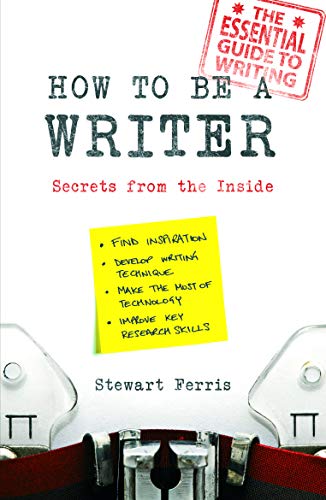
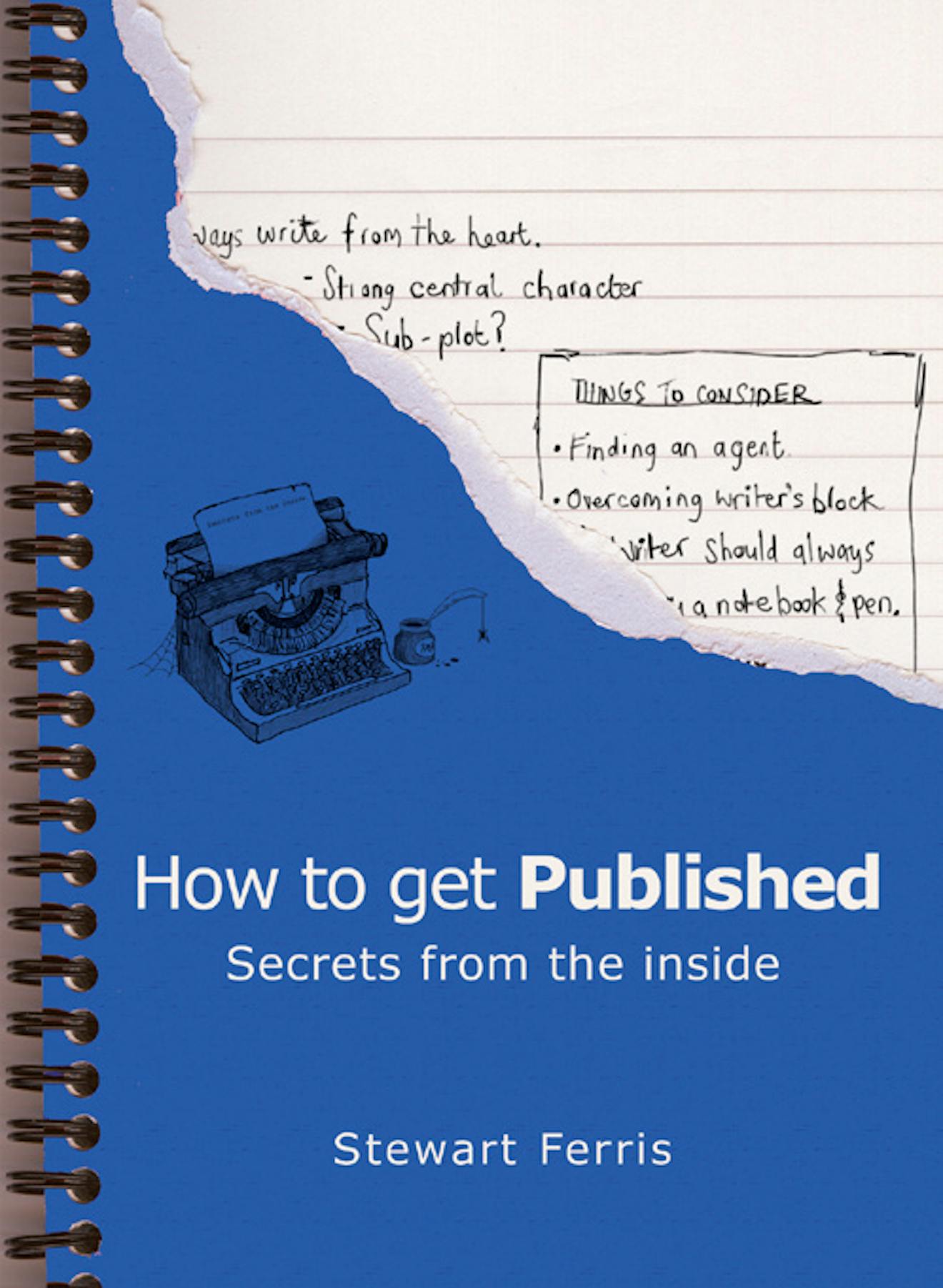
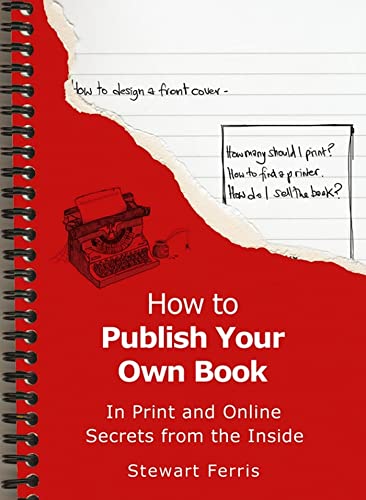
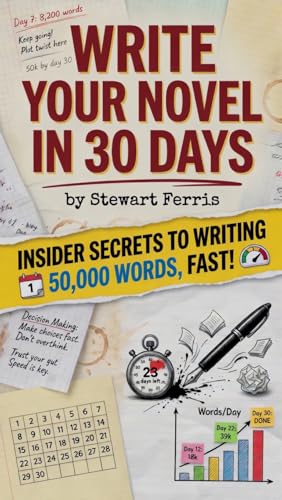
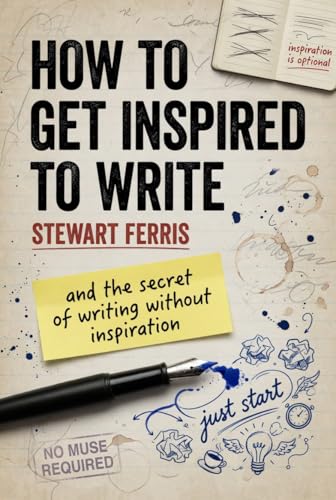
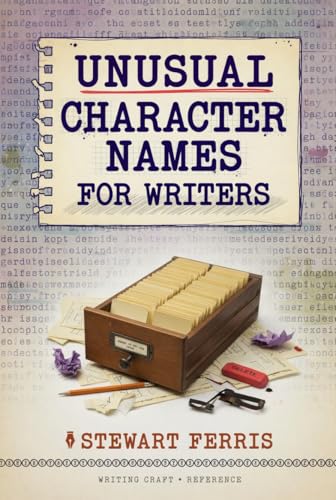
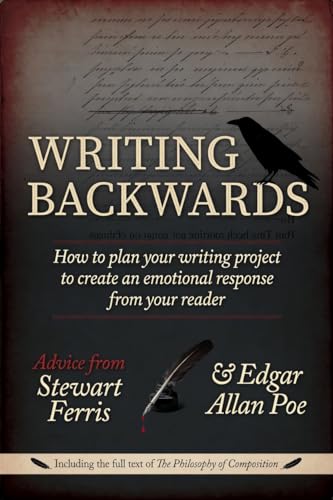
Practical titles on craft, time, publishing, and the names on the page — the same desk that wrote this guide. Each cover links to Amazon.co.uk.

This is a practical guide, not legal advice. The sample contracts are composites drawn from typical UK and US trade terms in the mid-2020s, not copies of any one publisher’s agreement. Always have an agent or a publishing solicitor read a deal before you sign it.